Table of Contents
Vishal Agarwal,SME,
Western Vocals
Ever wonder how many kinds of instruments exist, or how they're grouped? Well, you're not the only one. Music comes from an incredible variety of instruments, each with its origins, its unique sound, and way of playing. Whether you're a beginner exploring music or a student deepening your knowledge, understanding the types of musical instruments helps you appreciate the rich diversity of sounds that create the music we love.
In this comprehensive guide, we’ll explore different types of musical instruments, from classical orchestral pieces to modern electronic innovations. You'll discover how each instrument produces its unique sound and why certain instruments are chosen for specific musical styles.
A Simple List of Musical Instruments For Quick Reference
For a concise overview of all musical instruments by family, here's a helpful reference:
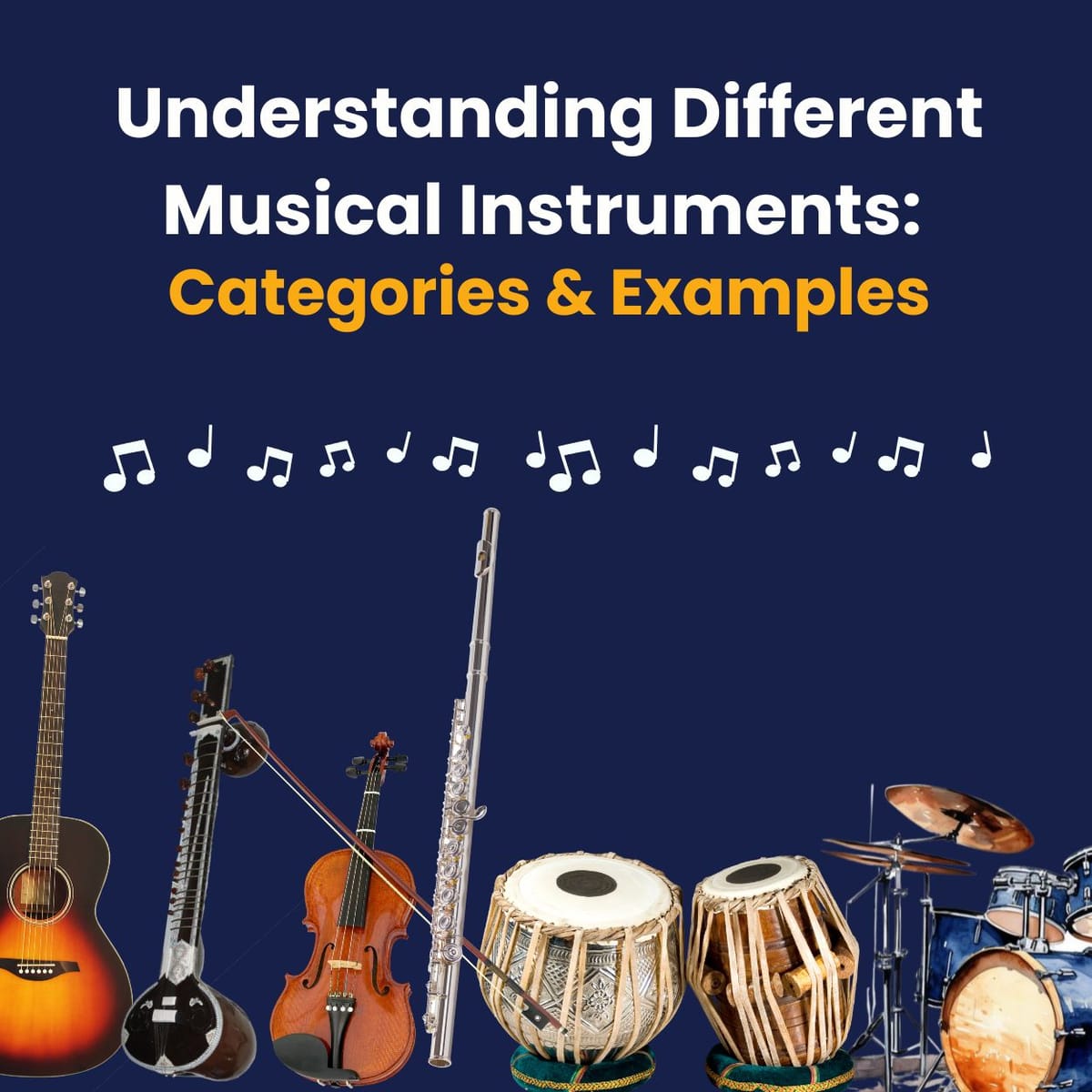
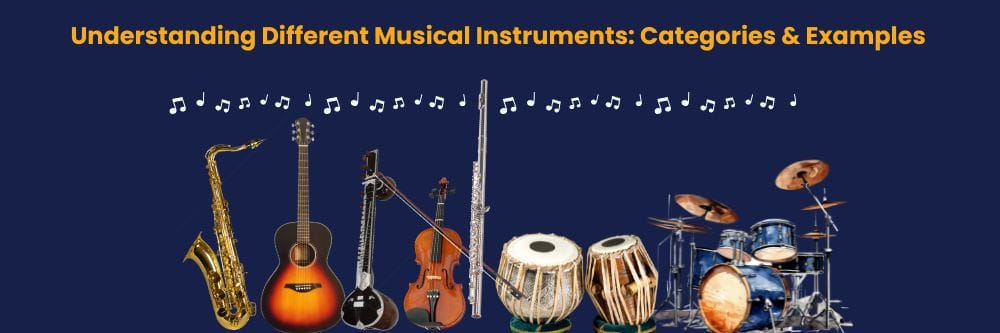
- String instruments: guitar, violin, cello, harp, sitar, ukulele
- Wind instruments: flute, clarinet, saxophone, trumpet, trombone
- Percussion instruments: drums, tabla, xylophone, bongos, cajon
- Keyboard instruments: piano, organ, synthesizer, electric keyboard
- Electronic instruments: drum machine, sampler, digital piano, turntable
- Traditional instruments: dhol, bansuri, erhu, koto, djembe
This list of musical instruments represents just a fraction of instruments worldwide but illustrates how they're organized into families.
Now lets look at examples from modern and classical music, and from traditional cultures, so that you can get a full overview of how instruments work and why they sound the way they do.
Let’s get started.
1. String Instruments
String instruments create sound when strings vibrate. You can pluck, bow, or strike the strings depending on the instrument.
This category includes some of the most beloved types of musical instruments worldwide.
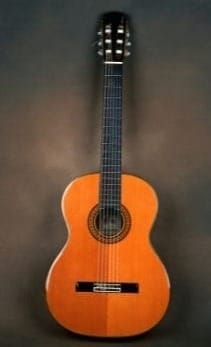
Examples include guitar, violin, viola, cello, double bass, harp, and sitar. The role of instruments such as electric guitars and bass guitars is huge in modern music that includes rock, pop, metal, funk, and several other genres.
The string instruments are warm and expressive. They are also incredibly versatile. A violin can create emotional and soaring melodies; a guitar can create rhythm, harmony, and solos; while the harp can create delicate, almost magical textures.


To learn more about the difference between Violin and Guitar, read the blog below!

2. Wind Instruments
Wind instruments produce sound when air is forced into or over an opening by the player. These types of musical instruments divide into two main families: woodwinds and brass.
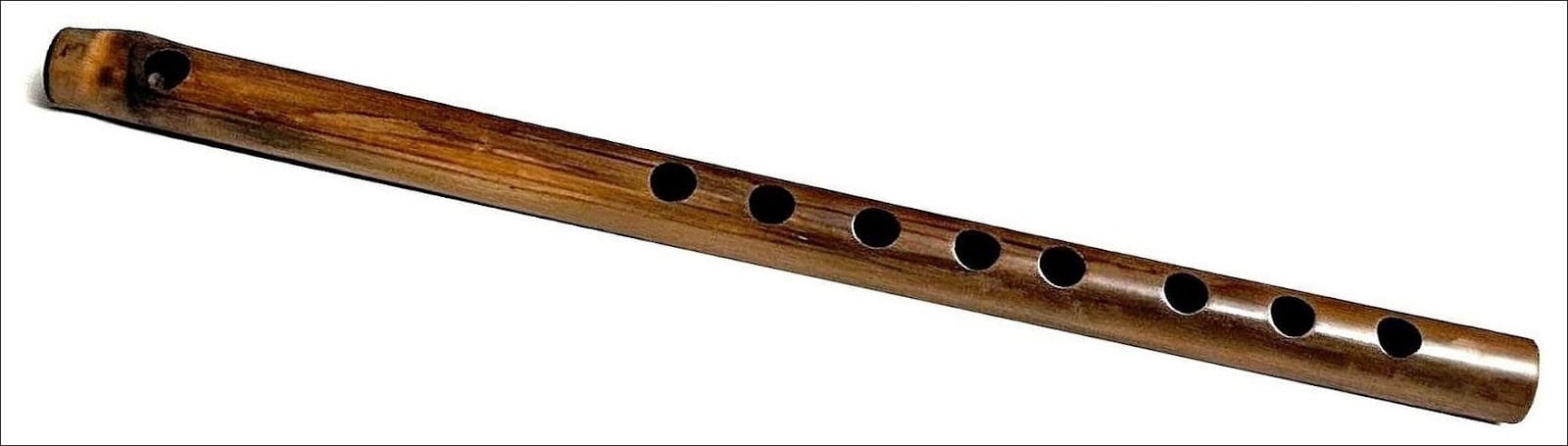
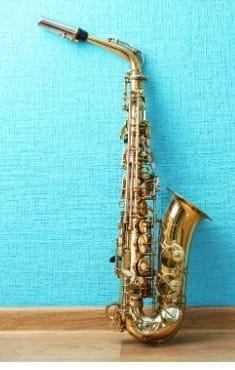
Woodwinds are the instruments such as flute, clarinet, oboe, saxophone, and bassoon. On the other hand, brass instruments are the trumpet, trombone, French horn, and tuba.
These instruments are strong and can be heard from a great distance, which is why they are so popular in orchestras, marching bands, jazz bands, and film music.
The flute produces a gentle and airy sound, the saxophone is lyrical and silky, and the trumpet is sharp and loud. Individually, these instruments are capable of different musical styles, but as a band, they can reach any style.
3. Percussion Instruments
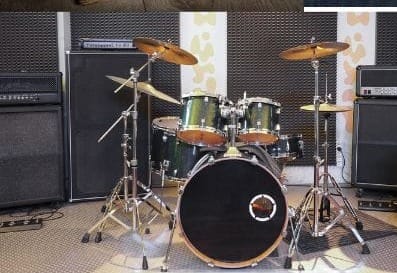
Percussion instruments create sound when hit, thrown, or rubbed, forming one of the most dynamic types of musical instruments. It is one of the most thrilling families of instruments that arise from this type of sound production, as it ranges from drums to bells to simple rhythm sticks.
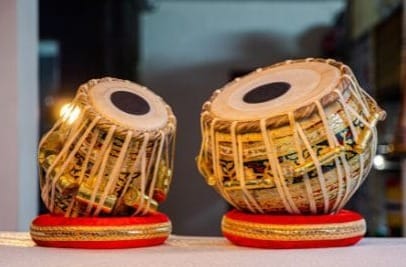
There are a wide variety of percussion instruments such as the drum, tabla, bongos, cajon, tambourine, xylophone, maracas, and cymbals. In the case of modern music, instruments like the drum kit are indispensable as they are the ones which create the main rhythm and groove.
Percussion instruments bring excitement, heartbeat, and strength to music. Most songs would lack the rhythmic foundation without percussion instruments. Because let’s be honest, rhythm is one of the most essential elements of music.
4. Keyboard Instruments
Keyboard instruments make sound when you press the keys. Even though the layout of keyboard instruments is similar, they produce sound differently.
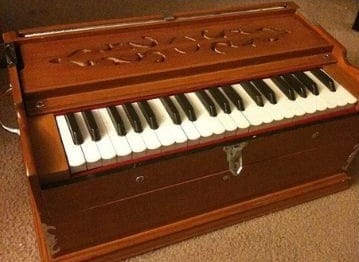
Some common examples include piano, electric keyboard, organ, synthesizer, and harmonium. These instruments are very powerful and influential in both classical and modern styles.
The piano is one of the most famous musical instruments worldwide. It has the ability to play melody, harmony, and rhythm all at once. Synthesizers are very popular in the production of pop, electronic music, film scores, and modern sound design. The organ is a common instrument in churches and classical concerts.
Keyboard instruments are very versatile and beginner-friendly. With basic chords or simple melodies, anyone can start making music quickly. To start learning keyboard, visit spardhaschoolofmusic.com/course/electronic-keyboard

5. Electronic Instruments
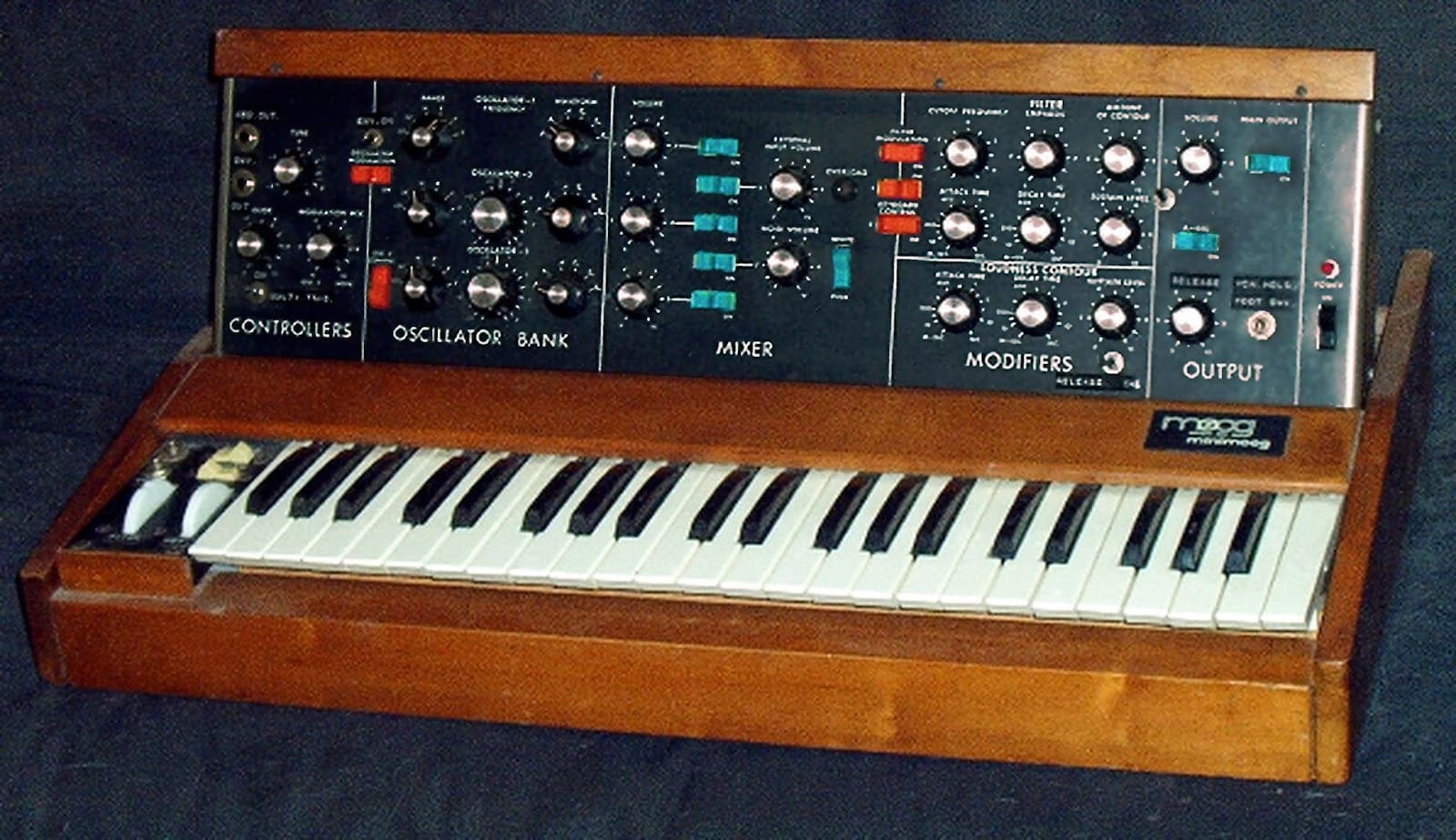
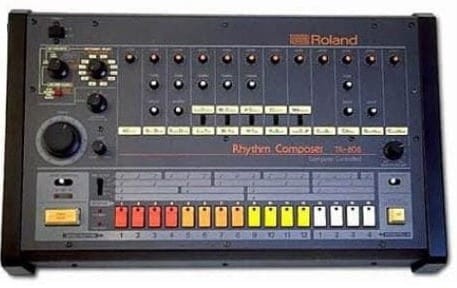
With the rise of technology, modern musical instruments have become far more diverse than traditional acoustic ones. Electronic instruments use circuits, software, or digital processing to produce sound.
Some of these are synthesizers, drum machines, digital pianos, samplers, turntables, and electronic wind instruments.
Electronic instruments open up to artists the possibility of generating sounds which do not have any natural origin. From deep sub bass to robotic voices to futuristic effects, this category has changed how music is made today.
In genres like EDM, hip hop, synthwave, and pop, modern musical instruments in the electronic category often dominate over acoustic alternatives.
6. Folk and Traditional Instruments
Each culture has some specific instruments which not only serve as a means of music but also represent the past and the identity of that particular culture. These are some of the most beautiful and culturally rich instruments. And that’s why you would find that music is a great cultural bridge.
Popular examples include sitar, tabla, bansuri, dhol, tanpura, erhu, koto, djembe, didgeridoo, and bagpipes, to name a few. These instruments bind us with the music of the respective culture and help us appreciate our cultural legacy and heritage.

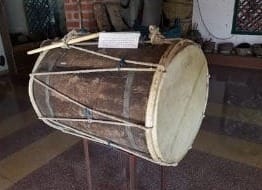
Traditional instruments are basically used in classical, folk, devotional, and fusion music. Utilizing such instruments, numerous modern artists also blend them into contemporary tracks to produce an exclusive and innovative sound.

7. Hybrid and Experimental Instruments
As music has changed over time, there are always new instruments being created. Hybrid instruments are those which have features of two different types of musical instruments merged.
Some of these examples are electric violin, electro acoustic guitar, keytar, digital wind controllers, and hybrid electronic drum kits.
These instruments are one of the many results of the artist's never-ending quest for new sounds and ways of expression. Hybrid instruments allow the users to take advantage of both worlds thus letting them to transcend the restrictions of conventional designs.
Why Knowing the Types of Musical Instruments Matters
Learning about the different types of musical instruments is for everyone, whether they are beginner students or professionals. Because it helps in appreciating and understanding music better.
Understanding how instruments produce sound and their distinctive characteristics helps you discover new layers in every song. You'll grasp why violins evoke emotion, guitars provide warmth and familiarity, drums convey power, and electronic sounds create futuristic atmospheres. You'll also better understand how various instruments combine to create complete musical arrangements.

Join Spardha School of Music
If you’re curious about a music instrument and want to start learning it, explore online music classes at Spardha. We offer 1:1 live and personalised classes specialising in both Indian and Western music. Learn guitar online, or start online keyboard classes under the guidance of expert and friendly teachers.
Conclusion
The types of musical instruments available today span an incredible range, each offering distinct sounds, emotions, and musical roles. From strings and percussion to electronic innovations, every family contributes something unique to music's rich tapestry.
Understanding these categories enhances your listening experience, deepens your appreciation for live performances, and if you're beginning your musical journey, it helps you select the right instrument to match your creative vision.
Book your free trial at Spardha and experience learning from the comfort of your home.
Frequently Asked Questions
What are the different types of musical instruments?
Musical instruments are commonly categorized into five main types: percussion, woodwind, string, brass, and keyboard. These categories are based on how the instrument produces sound, through striking, blowing, or plucking, or by using keys.
Who played 27 different instruments?
Prince It was reported that Prince played up to 27 instruments. These instruments can be heard on his debut album ‘For You’. The long list includes mostly guitar-style instruments, keyboards, synthesizers, and percussion instruments.
What are the 5 types of instrumental music with examples?
5 examples of instrumental music include classical symphonies, film scores, jazz compositions, electronic ambient, and post-rock.
How many musical instruments are there in total?
There are over 1500 musical instruments. These musical instruments can be broken down into 5 main types of musical instrument categories like bowed strings, woodwind, brass, percussion, keyboard, and the guitar family.