Vishal Agarwal
SME, Western Vocals
Table of Contents
Ever wondered about the different types of musical instruments in the percussion family? Drums have been part of human culture for thousands of years, appearing in every musical tradition worldwide. Today, learning these instruments online has never been easier.
Whether you're interested in modern musical instruments like electronic drum sets or traditional hand percussion, this guide covers all musical instruments in the drum category. Let's explore which instrument matches your musical goals.
Types of Drums:
Check this blog out for the best traditional Indian instruments!

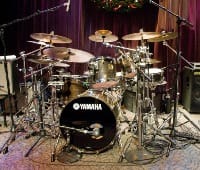
1. Acoustic Drum Set
Definition: A complete kit featuring bass drum, snare, toms, hi-hats, and cymbals played with sticks.
Features:
- Produces authentic, dynamic sound based on playing technique
- Requires physical space and soundproofing
- Beginner-friendly with practice pads available
Used In: Rock, jazz, pop, blues, funk, and most modern music genres.
2. Electronic Drum Set
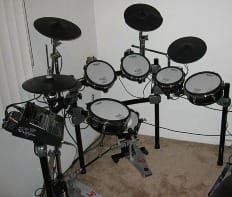
Definition: Digital pads connected to a sound module that triggers drum samples when struck.
Features:
- Silent practice with headphones
- Hundreds of customizable sounds
- Space-saving and apartment-friendly
Used In: Home practice, recording studios, live electronic music, and all musical styles.
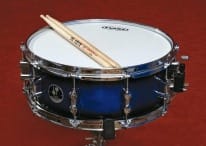
3. Snare Drum
Definition: A shallow cylindrical drum with metal wires (snares) stretched across the bottom for a sharp, crisp sound.
Features:
- Foundation for learning drum rudiments
- Teaches stick control and dynamics
- Can be played as standalone instrument
Used In: Orchestras, marching bands, rock, jazz, and military ceremonies.
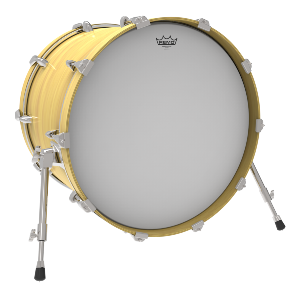
4. Bass Drum (Kick Drum)
Definition: Large drum played with a foot pedal that produces deep, low-frequency beats.
Features:
- Provides rhythmic foundation
- Requires foot technique development
- Creates chest-thumping pulse in music
Used In: All drum kit applications, orchestras, and rhythm sections across genres.
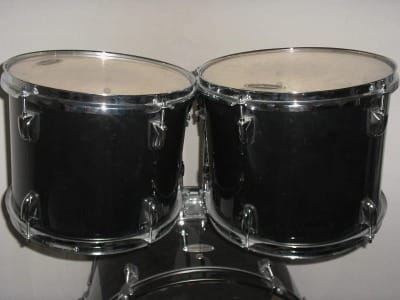
5. Toms
Definition: Cylindrical drums without snares, producing melodic tones for fills and transitions.
Features:
- Available as rack toms and floor toms
- Create melodic elements within rhythm
- Tunable for different pitch ranges
Used In: Drum fills, transitions in rock, jazz, fusion, and contemporary music.
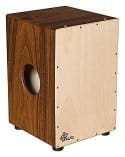
6. Cajon
Definition: Peruvian wooden box percussion played by sitting on it and slapping the front surface.
Features:
- Portable and beginner-friendly
- Produces bass and snare-like tones
- No sticks required—played with hands
Used In: Acoustic performances, flamenco, Latin music, and unplugged sessions.
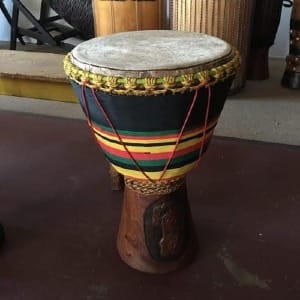
7. Djembe
Definition: West African goblet-shaped hand drum with goat skin head producing three distinct tones.
Features:
- Played with bare hands using bass, tone, and slap strokes
- Expressive dynamic range
- Community-oriented instrument
Used In: World music, drum circles, meditation sessions, and African traditional music.
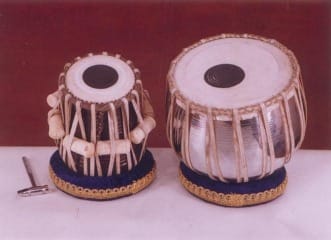
8. Tabla
Definition: Paired Indian hand drums (dayan and bayan) used in classical and devotional music.
Features:
- Highly sophisticated rhythm system
- Requires precise hand technique
- Uses syllabic language (bols) for patterns
Used In: Indian classical, devotional, folk, fusion, and Bollywood music.
Learn tabla online at Spardha School of Music with personalized 1:1 lessons from expert teachers.
Check out the blog below for some amazing tips on learning Tabla online!

Explore Online Tabla course on Spardha now!
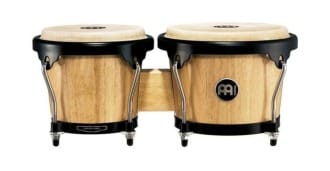
9. Bongos
Definition: Small paired drums from Cuba played with hands, producing bright, crisp tones.
Features:
- Compact and portable
- Perfect for hand percussion beginners
- Played with fingers and palms
Used In: Afro-Cuban, Latin, salsa, and world fusion music.
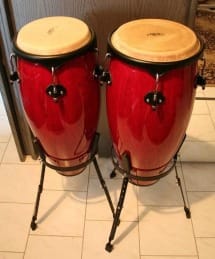
10. Congas
Definition: Tall Afro-Cuban drums played in sets, creating warm, resonant bass and tone sounds.
Features:
- Require multiple stroke techniques
- Played standing or sitting
- More complex than bongos
Used In: Latin jazz, salsa, Afro-Cuban, and contemporary Latin music.
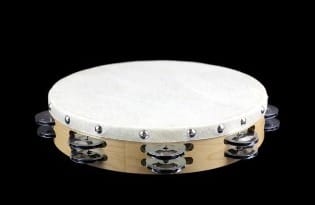
11. Frame Drums
Definition: Ancient drums with shallow frames and single heads, including bodhrán, tar, and tambourine.
Features:
- Among the oldest types of musical instruments
- Lightweight and portable
- Hand-played with finger techniques
Used In: Celtic, Middle Eastern, folk, and traditional music worldwide.
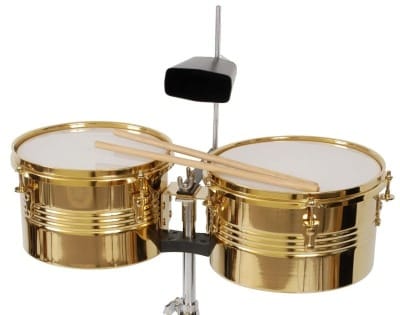
12. Timbales
Definition: Shallow metallic drums played with sticks, featuring sharp, cutting tones.
Features:
- Played with cowbells and accessories
- Produce bright, penetrating sound
- Require stick technique mastery
Used In: Salsa, Latin jazz, timba, and tropical music genres.
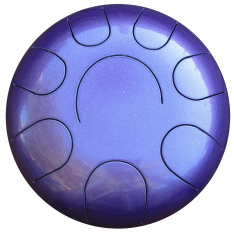
13. Steel Tongue Drum and Handpan
Definition: Modern melodic percussion instruments with tuned tongues producing meditative, harmonic tones.
Features:
- Extremely beginner-friendly
- Played with fingers or mallets
- Visually intuitive note layout
Used In: Sound therapy, meditation, relaxation music, and improvisational performances.
Explore the blog below to know more about easy instruments that you can learn at any age!

Which Drum Should You Learn Online
Choosing the right instrument depends on your musical goals. Here's a quick guide:
For rock, pop, or metal: Go with a drum set (acoustic or electronic)
For quiet home practice: Electronic drums are your best bet
For hand percussion: Try cajon, djembe, tabla, or bongos
For world music: Explore congas or frame drums
For peaceful, melodic sounds: Consider a handpan or tongue drum
The beauty of exploring different types of drums is that online lessons are available for every single one, from beginner basics to advanced techniques.
Conclusion
Drumming is one of the most expressive and satisfying art forms you can pursue. With so many types of drum sets and percussion instruments available, there's definitely one that matches your style and goals.
Whether you're drawn to the power of a full drum kit, the intimacy of hand drums, or the cultural richness of traditional percussion, the online learning landscape has made it easier than ever to begin.
Understanding the different types of drums helps you choose the right path and gives you confidence to explore the world of rhythm. With consistent online lessons, patience, and the right guidance, you'll become a skilled drummer no matter where you start.
Join Spardha School of Music
Ready to turn your drumming dreams into reality? At Spardha School of Music, we offer online 1:1 live and personalized classes tailored to your skill level and musical interests. Whether you're interested in learning different types of drums or want to master a specific drum musical instrument, our experienced instructors are here to guide you every step of the way.
Read the blog below to understand different musical instruments with categories and examples!

Our flexible online format means you can learn at your own pace, on your own schedule, from anywhere in the world. Explore our comprehensive courses designed for beginners through advanced players, covering everything from acoustic and electronic drum sets to hand percussion instruments.
Book a free trial today and discover why students choose Spardha School of Music for their musical journey. Let's make some rhythm together!
Frequently Asked Questions
What is the 80/20 rule in drumming?
The 80/20 rule states that 80% of your results come from just 20% of your efforts. In drumming, this means that a small percentage of the techniques, exercises, and concepts you practice will lead to the biggest improvements in your playing.
Is drumming good for an ADHD child?
Structure helps an ADHD child plan, anticipate, and react. Take this notion of how rhythm is so highly effective, and combine it with the physical, primal, interactive innateness of banging the drums and the results speak for themselves.
Is drum harder than guitar?
Neither drums nor guitar is definitively harder to learn than the other; it depends on the individual's strengths, but each has unique challenges. Drums require developing three-way coordination from the start, while guitar allows for quicker progress with basic chords but presents challenges like finger pain and barre chords. Both instruments are easy to start but require years of practice to master.
Is 40 too late to learn drums?
The truth is, you're never too old to learn the drums (or any new skill for that matter). If you’re interested in learning drums and prepared to practice it to master it, you can learn drums at any age.