Table of Contents
Quick Summary
India is home to one of the world's richest dance traditions, with 8 officially recognized classical dance forms and hundreds of regional folk dances. While classical dances follow structured techniques rooted in ancient texts like the Natya Shastra, folk dances celebrate local customs, festivals, harvests, and community life.
India has more distinct dance traditions than most countries have musical instruments. Every region carries its own movement vocabulary, its own rhythm language, and its own set of stories that the body tells. Understanding the types of dance that exist across this country isn't just cultural literacy; it's a map of Indian history, religion, and geography expressed through movement.
This guide covers the full picture: the eight classical dance forms of India recognised by the Sangeet Natak Akademi, the major folk traditions that predate formal classification, the states they belong to, and what genuinely distinguishes one from another.
Quick Facts About Indian Dance
The Two Main Categories of Dance in India
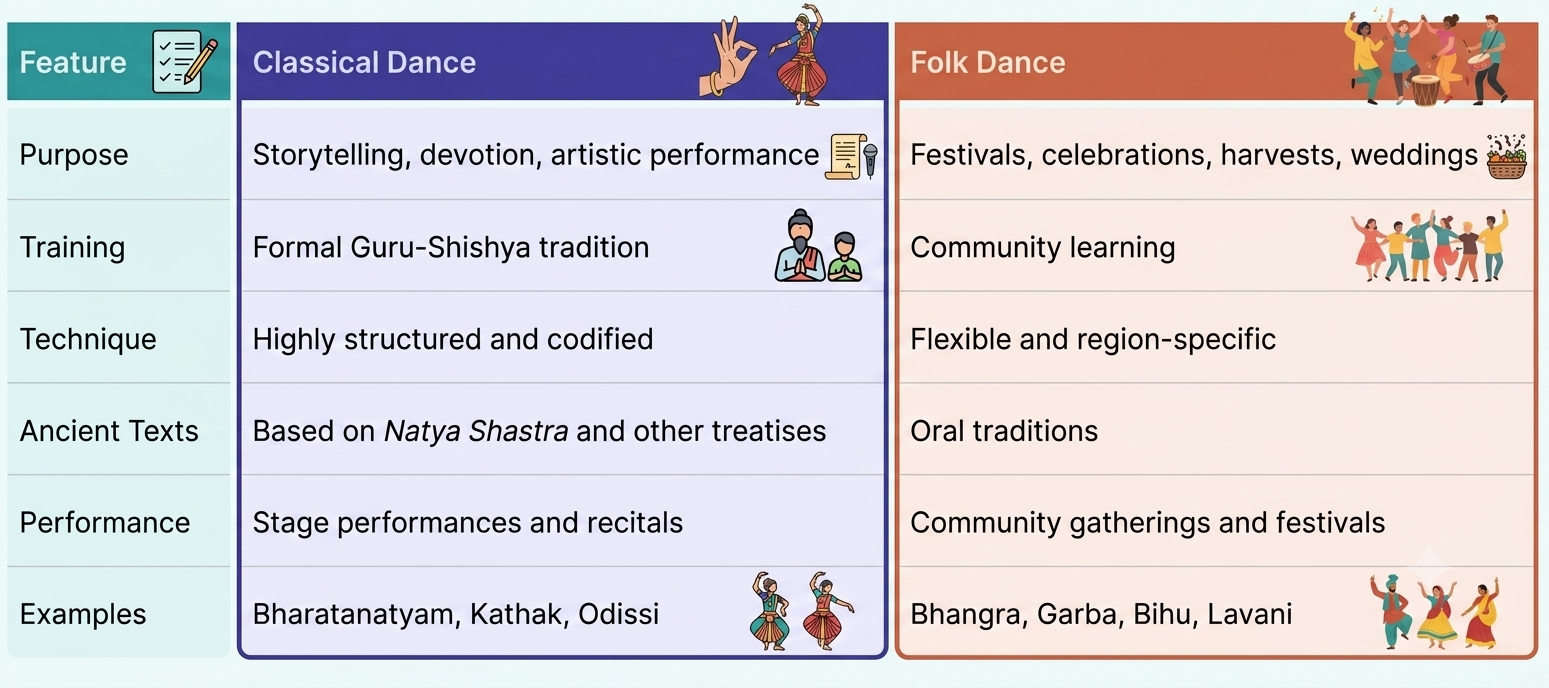
Before getting into specific forms, it helps to understand the distinction between the two broad categories in India.
Classical dance forms are codified traditions with documented histories, formal training systems, and theoretical texts governing their technique. Most trace their origins to the Natya Shastra, the ancient Sanskrit treatise on performing arts attributed to Bharata Muni. These are the traditions that require years of dedicated study under a trained guru and follow structured syllabuses passed down through generations.
Folk dance forms are rooted in community, celebration, and local cultural identity. They developed outside formal institutions and are typically performed at seasonal festivals, harvests, weddings, and religious occasions. They're equivalent to any other classical forms; in many cases, they're older, but they operate differently, with community participation over individual virtuosity as their primary value.
State-wise Dance Forms in India
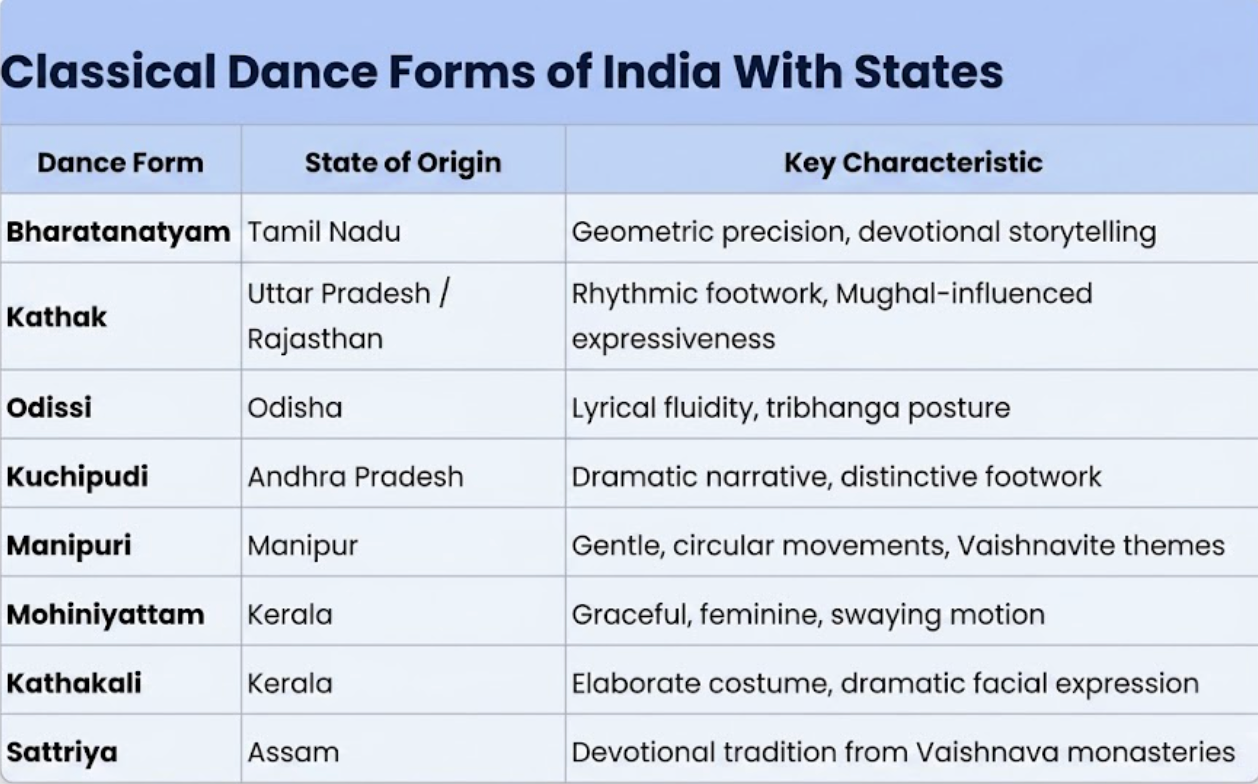
Every Indian state has its own dance traditions that reflect its history, culture, and festivals. While some states are known for classical dance forms, others are famous for vibrant folk dances performed during community celebrations.
Classical Dances of Indian States: A Closer Look
1. Bharatanatyam — Tamil Nadu
The oldest and most widely practised of all Indian classical dance styles. Bharatanatyam originated in the temples of Tamil Nadu, where devadasis performed as part of religious ritual. The art form was later codified and revived during the 20th century by dancers and teachers who brought it to the concert stage.
Quick Facts
- State: Tamil Nadu
- Category: Classical Dance
- Known For: Precise geometry, mudras, expressive storytelling
- Primary Themes: Hindu mythology and devotion
- Ideal For: Beginners and students interested in structured classical training
2. Kathak — Uttar Pradesh and Rajasthan
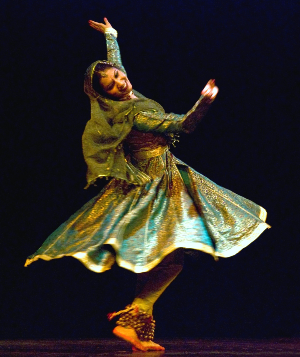
Kathak is North India's primary classical dance form and the one most visibly shaped by the confluence of Hindu and Mughal culture. The word itself comes from katha, meaning story, and storytelling through expressive gestures and facial expressions is central to the form.
What distinguishes Kathak visually is the combination of intricate footwork (carried by the ghungroo bells worn at the ankles), fast spins called chakkars, and expressive abhinaya sections that slow the pace to allow detailed emotional expression.
Quick Facts
- State: Uttar Pradesh and Rajasthan
- Category: Classical Dance
- Known For: Fast spins, rhythmic footwork, expressive storytelling
- Primary Themes: Krishna legends, court performances
- Ideal For: Students who enjoy rhythm and performance
3. Odissi — Odisha
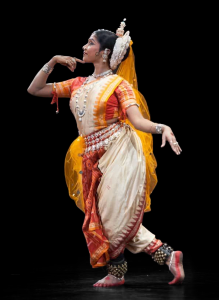
Odissi is one of India's most lyrical classical dances. It is built around the tribhanga posture—a distinct three-part bend of the head, torso, and hips that gives the art form its characteristic fluid, sculptural quality. Its origins lie in the temples of Odisha, particularly the Jagannath Temple in Puri, where it developed as a devotional tradition.
Quick Facts
- State: Odisha
- Category: Classical Dance
- Known For: Tribhanga posture and graceful movements
- Primary Themes: Radha-Krishna devotion
- Ideal For: Learners who enjoy expressive dance and fluid body movements
4. Kuchipudi — Andhra Pradesh
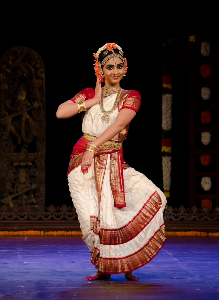
Kuchipudi developed as a village dance-drama tradition in the Krishna district of Andhra Pradesh, performed by Brahmin men who played all roles, including female characters. It shares certain elements with Bharatanatyam but is distinguished by its dramatic narrative structure, the use of a brass plate on which the dancer performs footwork while balancing a pot of water on the head, and a more openly theatrical quality.
Quick Facts
- State: Andhra Pradesh
- Category: Classical Dance
- Known For: Dance-drama performances, expressive storytelling, and rhythmic footwork
- Primary Themes: Hindu mythology, devotion, and dramatic narratives
- Ideal For: Students who enjoy expressive acting, storytelling, and energetic performances
5. Manipuri — Manipur
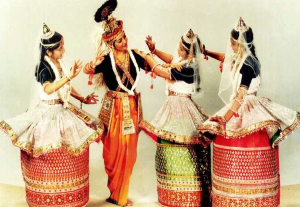
The dance styles of Manipur occupy a unique space in Indian classical tradition. Where most classical forms are angular and percussive, Manipuri is gentle, circular, and deeply interiorised in its emotional quality. It developed primarily within the Vaishnavite religious tradition of the region and centres on the Radha-Krishna leela narratives.
The Ras Lila performances of Manipur, particularly the Maha Ras performed at full moon in late autumn, are among the most visually distinctive ritual dance performances in the country.
Quick Facts
- State: Manipur
- Category: Classical Dance
- Known For: Graceful circular movements, soft expressions, and devotional performances
- Primary Themes: Radha-Krishna Ras Lila and Vaishnavite traditions
- Ideal For: Learners who prefer elegant, spiritual, and fluid dance movements
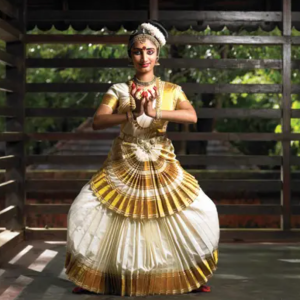
6. Mohiniyattam — Kerala
The name translates as dance of the enchantress, and the form's signature quality is a graceful, swaying motion that contrasts sharply with the more angular energy of Bharatanatyam or the percussive intensity of Kathak. It's performed solo by women, dressed in the white and gold of Kerala's traditional aesthetic, and draws on both the technical vocabulary of Bharatanatyam and the dramatic traditions of Kathakali.
Quick Facts
- State: Kerala
- Known For: Gentle swaying movements, feminine grace, and expressive abhinaya
- Primary Themes: Hindu mythology, love, devotion, and nature
- Ideal For: Students interested in graceful solo performances and expressive storytelling
7. Kathakali — Kerala
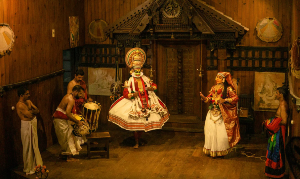
Kathakali is more theatre than dance in the way most people understand the term. Performances can last entire nights, telling stories from the Mahabharata and Ramayana through elaborately costumed and made-up performers whose facial expression work, using a vocabulary of 24 primary expressions developed through years of daily practice, constitutes one of the most demanding physical disciplines in any performing tradition worldwide.
Quick Facts
- State: Kerala
- Known For: Elaborate costumes, vibrant facial makeup, dramatic expressions, and theatrical storytelling
- Primary Themes: Epics like the Mahabharata and Ramayana
- Ideal For: Learners interested in dance theatre, character portrayal, and expressive performance traditions
8. Sattriya — Assam
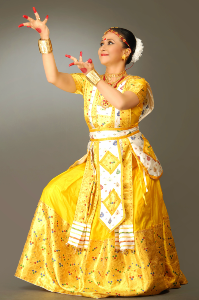
The most recently recognised of the eight classical dance forms of India, Sattriya was granted official classical status by the Sangeet Natak Akademi in 2000. It developed within the sattras (Vaishnava monasteries) of Assam, founded by the saint-scholar Srimanta Sankardeva in the 15th and 16th centuries, as part of a complete performing arts tradition that included drama, music, and dance in service of devotional practice.
Quick Facts
- State: Assam
- Known For: Devotional storytelling, graceful footwork, and monastic performance traditions
- Primary Themes: Vaishnavism, Krishna devotion, and teachings of Srimanta Sankardeva
- Ideal For: Students interested in devotional dance, storytelling, and Assamese cultural heritage
Bollywood Dance: A Category of Its Own
A complete guide to the types of dance in India has to address Bollywood dance honestly. It isn't a classical or folk form, but a fusion tradition that has consciously drawn from both categories while developing its own aesthetic.
Shifting dynamically with each film and choreographer, contemporary Bollywood dance fuses Kathak footwork and Bharatanatyam gestures with the high energy of Bhangra and the stylistic groove of Western hip-hop. At its best, it's a creative synthesis. At its most generic, it's a collection of surface aesthetics without the structural depth of any of the traditions it draws from.
When students understand the origins of Bollywood dance and recognise which classical or folk tradition a movement references, it significantly deepens the quality of their performance.
Learn Indian Dance at Spardha
At Spardha School of Music, our dance curriculum features Bollywood courses led by certified instructors who understand the classical roots behind the popular style. We offer live, 1-on-1 online classes designed for students aged six and older, as well as adults of all experience levels.
Whether you're drawn to the expressiveness of Kathak, the energy of Bollywood choreography, or want your child to develop a genuine connection to India's dance traditions from anywhere in the world, our certified instructors teach with the depth that the tradition deserves.
Book a free trial class today at Spardha School of Music and start learning with a real cultural context behind every movement.
Conclusion
The types of dance in India form one of the richest and most diverse performing arts traditions anywhere in the world. The eight classical dance forms of India represent centuries of codified technique and cultural memory. The folk traditions carry the rhythms of regional life and community celebration. Together, the different dance forms of India tell the story of a country whose relationship with movement, music, and storytelling goes back further than most written records.
Learning any one of these traditions seriously is a way of entering that history through the body rather than through a page.
Frequently Asked Questions
How many classical dance forms does India officially have?
India has eight officially recognised classical dance forms according to the Sangeet Natak Akademi: Bharatanatyam, Kathak, Odissi, Kuchipudi, Manipuri, Mohiniyattam, Kathakali, and Sattriya. Sattriya was the most recently added, receiving official recognition in 2000.
What is the difference between classical and folk dance forms of India?
Classical dance forms are codified traditions with formal training systems and documented technical vocabularies, most rooted back to the Natya Shastra. Folk dance forms developed within communities as part of seasonal, agricultural, and religious celebrations and are passed down through community participation rather than formal guru-shishya training.
Which is the oldest dance form in India?
Bharatanatyam is generally considered the oldest of the classical forms, with roots in the temple traditions of Tamil Nadu going back over two thousand years. Many folk traditions are arguably older, even if they lack the formal documentation of their classical counterparts.
Which state has the most dance forms in India?
Kerala is notable for housing two major classical forms (Kathakali and Mohiniyattam) alongside significant folk and ritual traditions including Theyyam and Padayani. Tamil Nadu, Odisha, and Uttar Pradesh also have particularly rich dance traditions both classical and folk.
Is Bollywood dance considered one of the dance styles of India?
Bollywood dance is widely practised and taught as a distinct style, but it isn't classified as classical or folk. As a fusion style, the form blends Western dance influences with elements drawn from various Indian classical and folk traditions. It has its own choreographic conventions but doesn't carry the formal structural rules of classical dance.
Can I learn Indian classical dance online?
Yes, live 1-on-1 online instruction works effectively for Indian classical and Bollywood dance styles. Classical forms like Kathak benefit significantly from real-time instructor correction on footwork and gesture precision, which a live online class provides. Pre-recorded tutorials are a supplement, not a substitute, for structured instruction.