Table of Contents
Free time doesn't always have to mean scrolling through social media, watching another series or doing nothing in particular. It can also be an opportunity to explore an interest, learn a new skill or discover something you genuinely enjoy.
Some of the best productive hobbies are activities that make your everyday life more interesting while helping you develop useful skills. Learning a musical instrument, practising photography, gardening, writing, cooking, coding or dancing can give you something meaningful to work towards outside your regular responsibilities.
The best part? You don't need to turn every hobby into a career or become an expert at it. You can simply enjoy the process of learning.
If you're wondering which productive hobbies to try, here are 15 ideas that can help you use your free time creatively, develop new abilities and find an activity you look forward to.
What Are Productive Hobbies?
Productive hobbies are activities you pursue in your free time that help you develop a skill, explore your creativity, improve your knowledge or build a useful habit. Unlike activities done purely for entertainment, these hobbies often give you something new to learn or practise.
For example, learning guitar develops musical ability, photography improves visual observation, cooking builds practical life skills, and writing helps you communicate more effectively.
A productive hobby doesn't have to generate income or result in a certificate. If it helps you learn, create, practise or grow while enjoying your time, it can be worth pursuing.
15 Best Productive Hobbies to Learn in Your Free Time
Here are 15 useful hobbies across music, creativity, practical skills and personal development that you can explore at your own pace.
1. Learn to Play a Musical Instrument
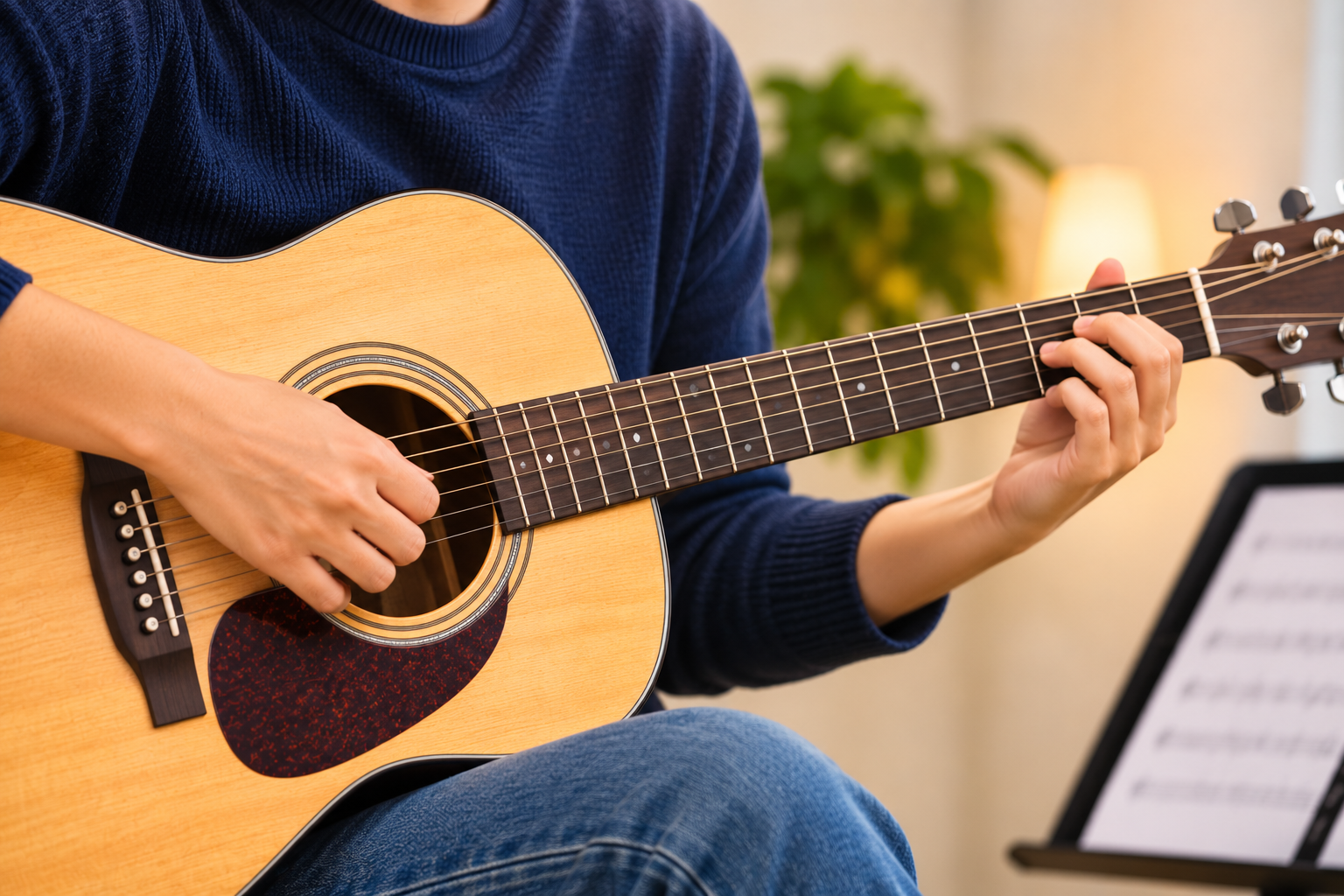
Learning a musical instrument is one of the most rewarding hobbies to take up. Whether you choose the piano, guitar, violin, keyboard, tabla or ukulele, music gives you an opportunity to develop a skill through regular practice.
You can begin with basic notes, chords and simple melodies before progressing to more challenging compositions. You can also learn songs you already enjoy, making practice more interesting.
Skills you can develop:
- Musical understanding and rhythm
- Listening and coordination
- Patience and consistency
- Creative expression
How to get started: Choose an instrument that interests you and begin with beginner-level lessons. Set aside 15–30 minutes for regular practice rather than trying to learn everything at once.
2. Learn Singing

Singing is a creative hobby that doesn't require you to own an instrument. Whether you enjoy Bollywood songs, Western pop, Hindustani classical music or Carnatic music, you can explore different styles and gradually develop your voice.
Start with basic vocal exercises, breathing techniques and pitch practice. As you become more comfortable, try singing songs that suit your vocal range.
Skills you can develop:
- Pitch and vocal control
- Breath management
- Listening and musical expression
- Confidence in performing
How to get started: Choose a few songs you enjoy and practise them regularly. Structured vocal exercise can help you understand pitch, rhythm, voice culture and technique.
3. Explore Photography

Photography is a great hobby for people who enjoy capturing everyday moments. You don't necessarily need an expensive camera to begin. A smartphone is enough to learn the basics of composition, lighting, framing and perspective.
You can start by photographing nature, architecture, food, people or street scenes. Over time, you can experiment with different photography styles and editing techniques.
Skills you can develop:
- Visual observation
- Creativity and composition
- Understanding of light and perspective
- Photo editing
How to get started: Choose one photography theme each week and practise taking pictures from different angles. Review your photographs to understand what works and what you could improve.
4. Start Writing or Journaling

Writing is a useful hobby for anyone who enjoys expressing thoughts, ideas or stories. You could maintain a personal journal, write short stories, explore poetry or start a blog about a subject you enjoy.
It is also a practical way to organise your thoughts and improve how you communicate.
Skills you can develop:
- Written communication
- Vocabulary and language
- Storytelling
- Critical thinking and reflection
How to get started: Begin with a daily writing habit of 10–15 minutes. You could write about your day, describe an experience or explore a topic that interests you.
5. Learn to Dance
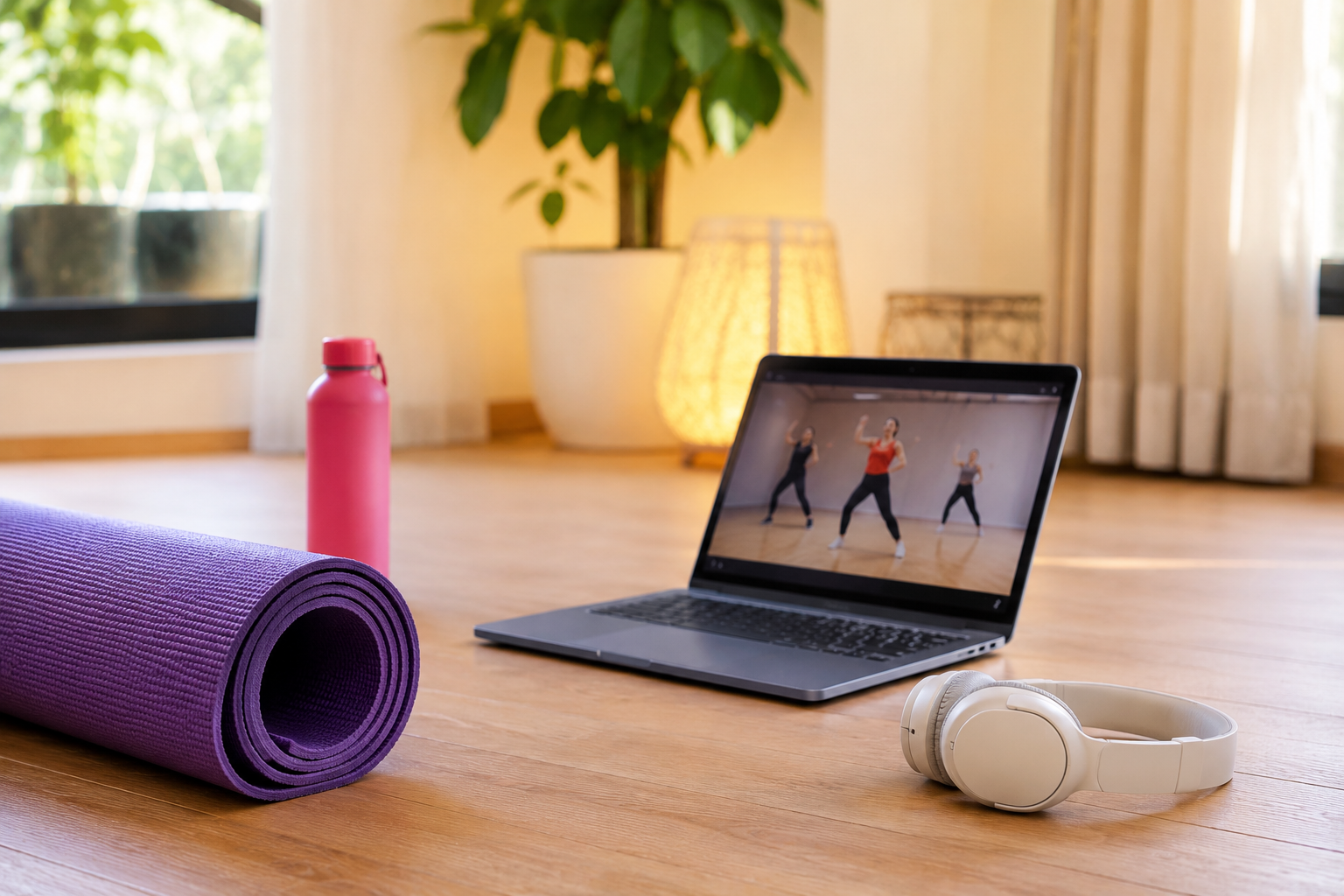
Dance combines music, movement and creative expression. From Bollywood and contemporary dance to Bharatanatyam and Kathak, there are several styles you can explore depending on your interests.
You don't need previous experience to begin. Start with basic steps, rhythm exercises and simple choreography. As you practise, you can gradually improve your coordination and confidence.
Skills you can develop:
- Rhythm and coordination
- Body awareness
- Musical expression
- Performance confidence
How to get started: Pick a dance style you enjoy and practise beginner choreography. You can also join online dance lessons to learn movements and techniques with structured guidance.
6. Learn a New Language
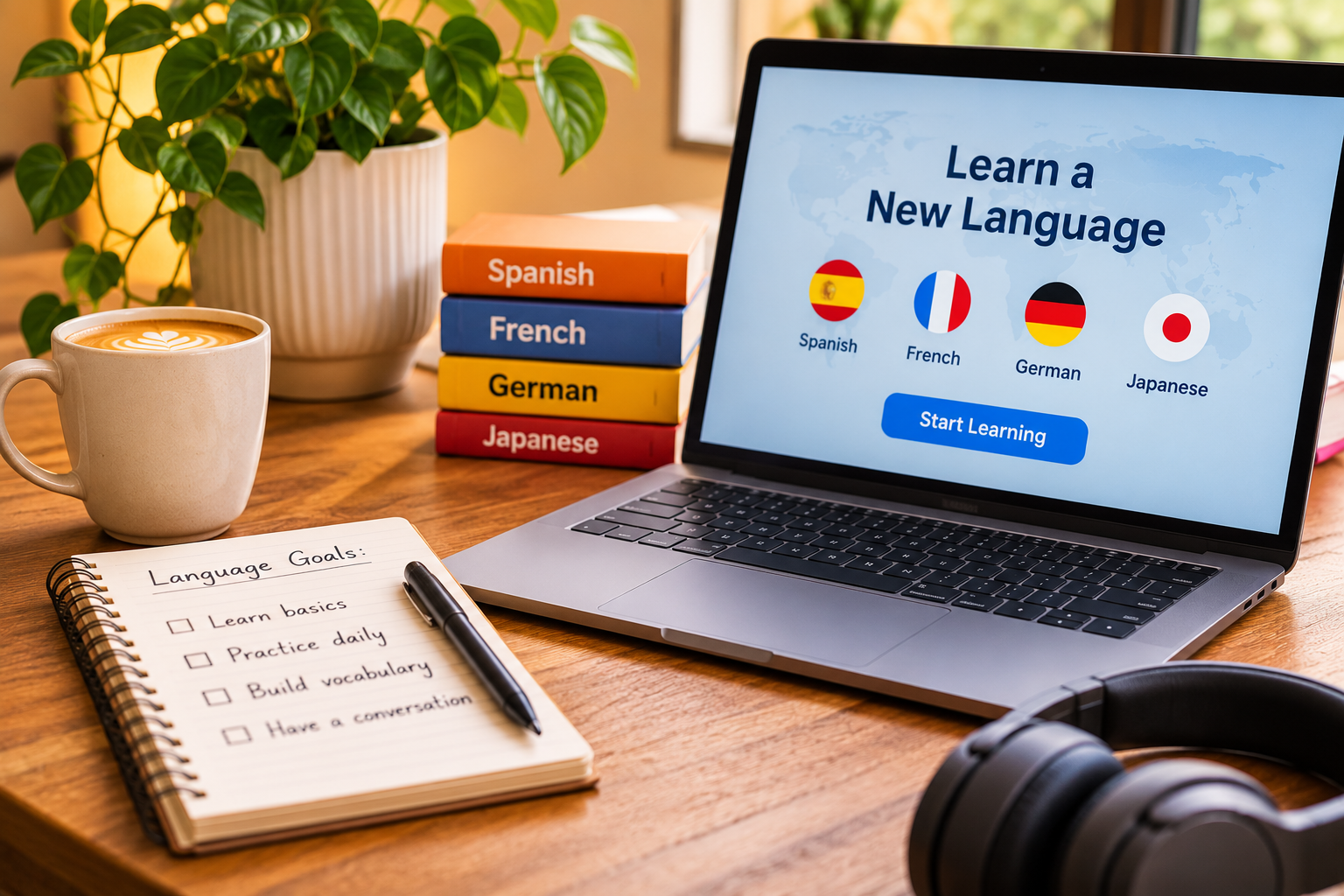
Learning a new language is a productive way to spend your free time, especially if you enjoy travelling, exploring different cultures or communicating with people from different backgrounds.
You can start with everyday vocabulary, basic greetings, common phrases and simple conversations. Languages such as Spanish, French, Japanese and German are popular choices among beginners.
Skills you can develop:
- Communication
- Vocabulary and listening
- Cultural understanding
- Memory and language learning
How to get started: Learn a few new words every day, listen to beginner podcasts and practise simple conversations. Consistency is more useful than trying to memorise too much at once.
7. Try Cooking and Baking
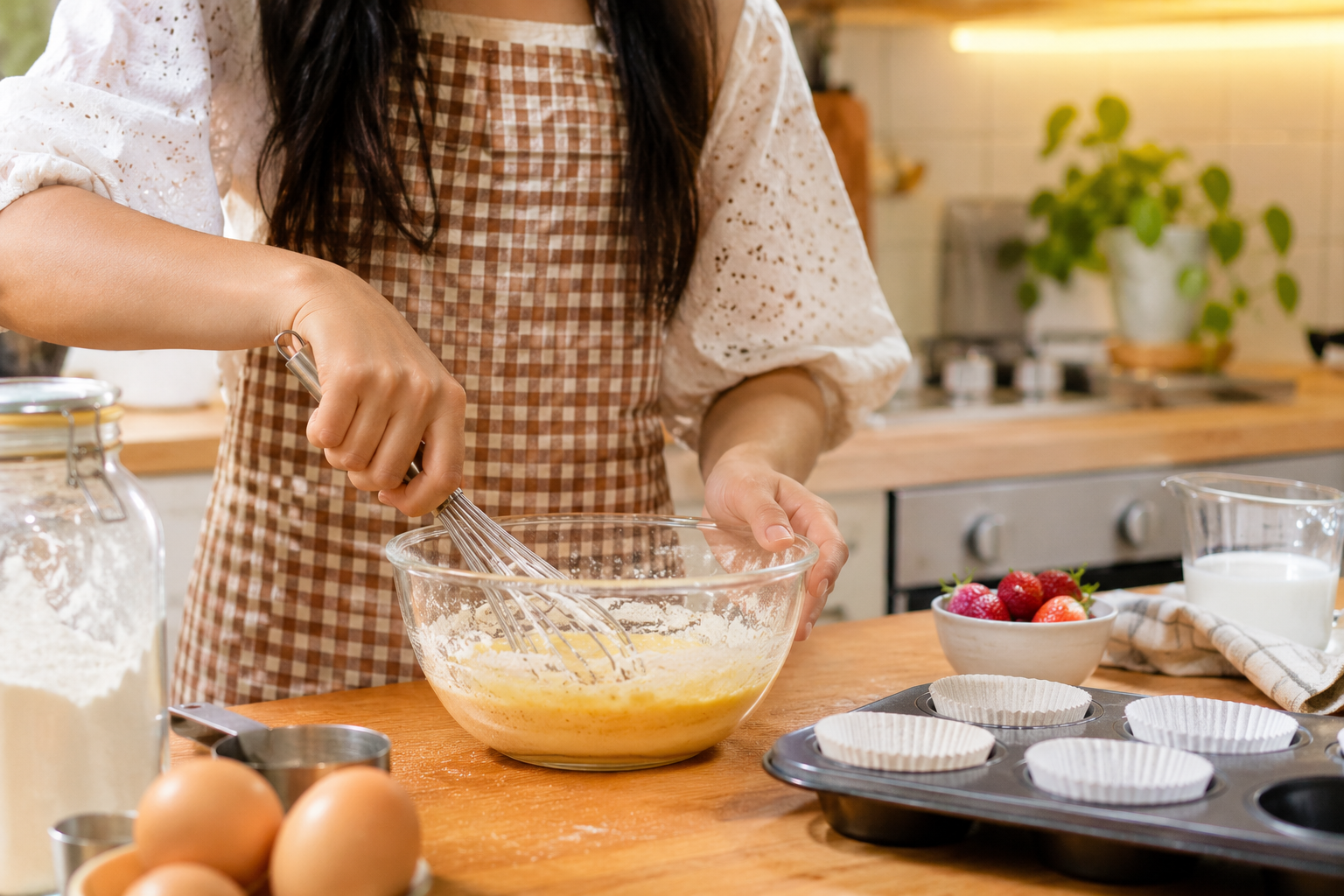
Cooking is a practical hobby that you can enjoy while developing a skill you will use throughout your life. You can explore different cuisines, experiment with ingredients and learn how to prepare meals from scratch.
If you enjoy baking, try making cakes, cookies, bread and other simple recipes. You can gradually move towards more advanced techniques.
Skills you can develop:
- Meal planning
- Creativity and experimentation
- Time management
- Understanding ingredients and flavours
How to get started: Choose one new recipe every week. Start with simple dishes and gradually experiment with different cooking methods and cuisines.
8. Explore Painting and Drawing
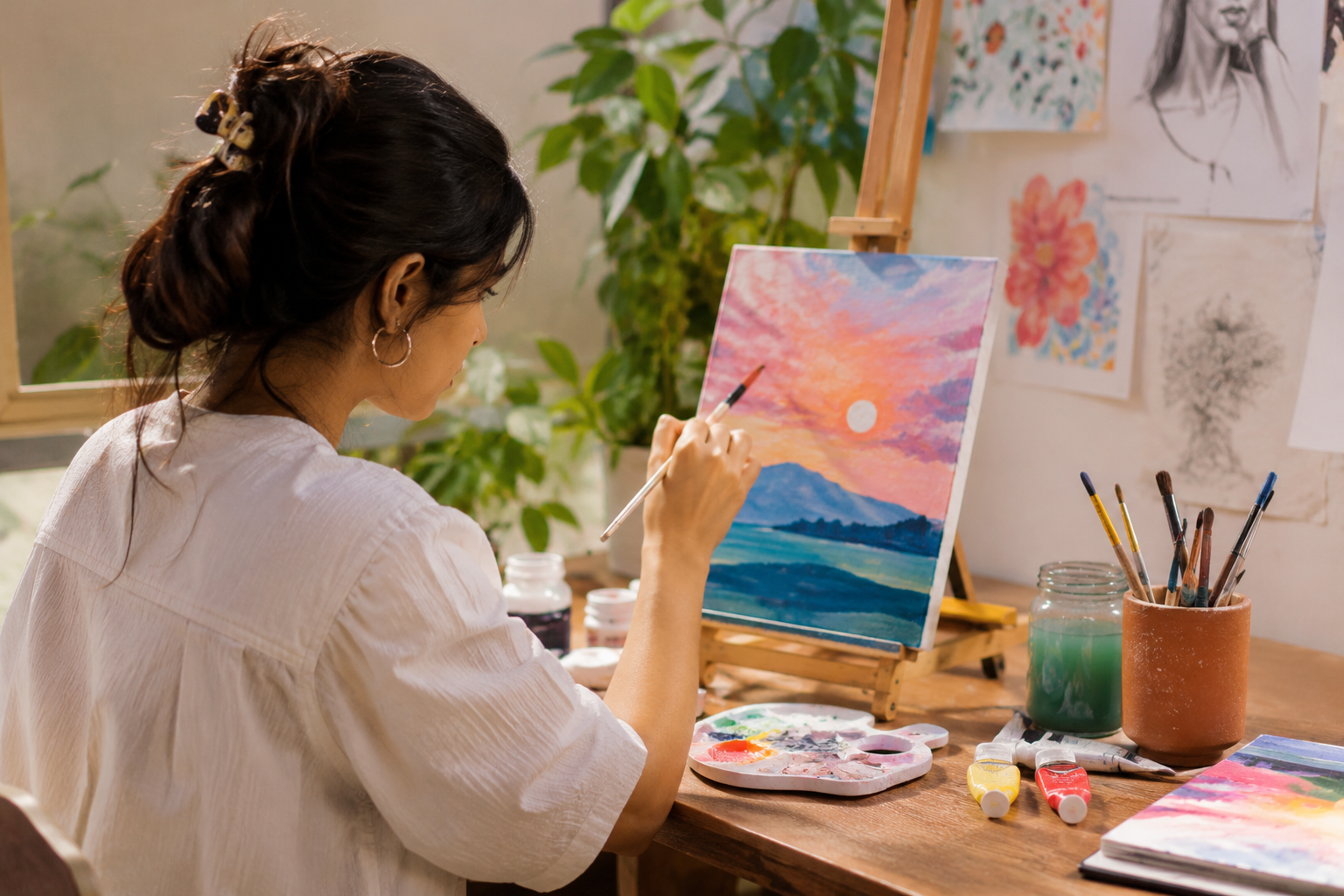
Painting and drawing are excellent creative hobbies for people who enjoy working with colours, shapes and visual ideas. You can experiment with pencil sketches, watercolours, acrylic painting, digital illustration or doodling.
You don't need to be naturally artistic to begin. Regular practice helps you understand basic techniques and develop your own style.
Skills you can develop:
- Visual creativity
- Observation and attention to detail
- Colour and composition
- Artistic expression
How to get started: Begin with simple sketches or beginner painting tutorials. Try drawing everyday objects before moving on to more detailed artwork.
9. Learn Coding

Coding is a useful hobby if you're interested in technology and enjoy solving problems. You can learn programming languages such as Python, JavaScript or HTML and CSS, depending on what you want to create.
Beginners can start by building simple websites, calculators or small interactive projects. You don't need an advanced technical background to explore the basics.
Skills you can develop:
- Logical thinking
- Problem-solving
- Technical understanding
- Creative project development
How to get started: Choose one beginner-friendly programming language and follow a structured course. Practise by creating small projects rather than only watching tutorials.
10. Start Gardening
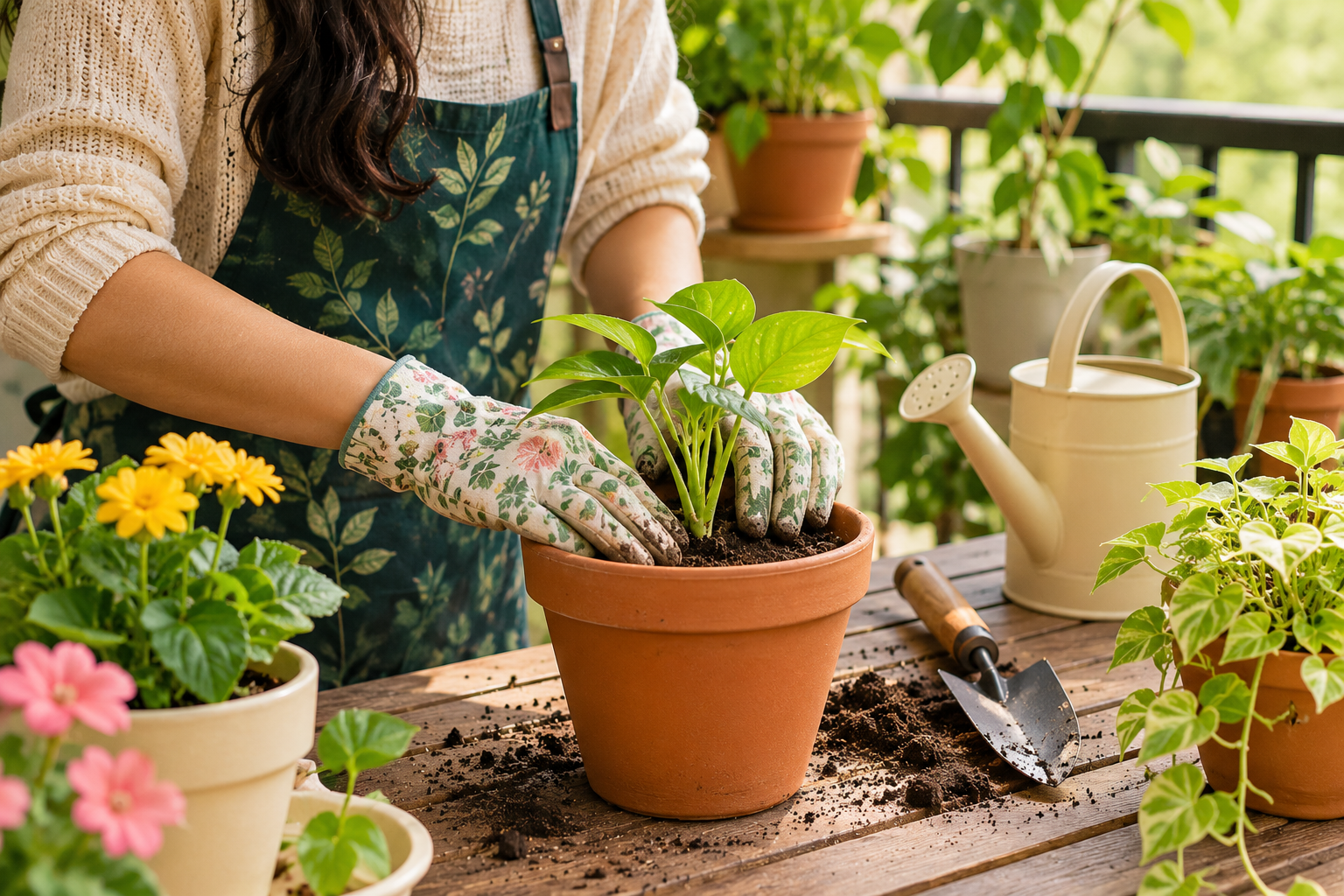
Gardening is a hands-on hobby that allows you to learn about plants, soil, sunlight and growing conditions. You can start with indoor plants, herbs or small balcony gardens without needing a large outdoor space.
Growing something from a seed or caring for a plant over time can also make the hobby especially satisfying.
Skills you can develop:
- Plant care and observation
- Planning and consistency
- Environmental awareness
- Practical problem-solving
How to get started: Start with easy-to-maintain plants such as money plants, pothos, aloe vera or herbs. Understand their watering and sunlight requirements before expanding your collection.
11. Try DIY Crafts and Handmade Projects
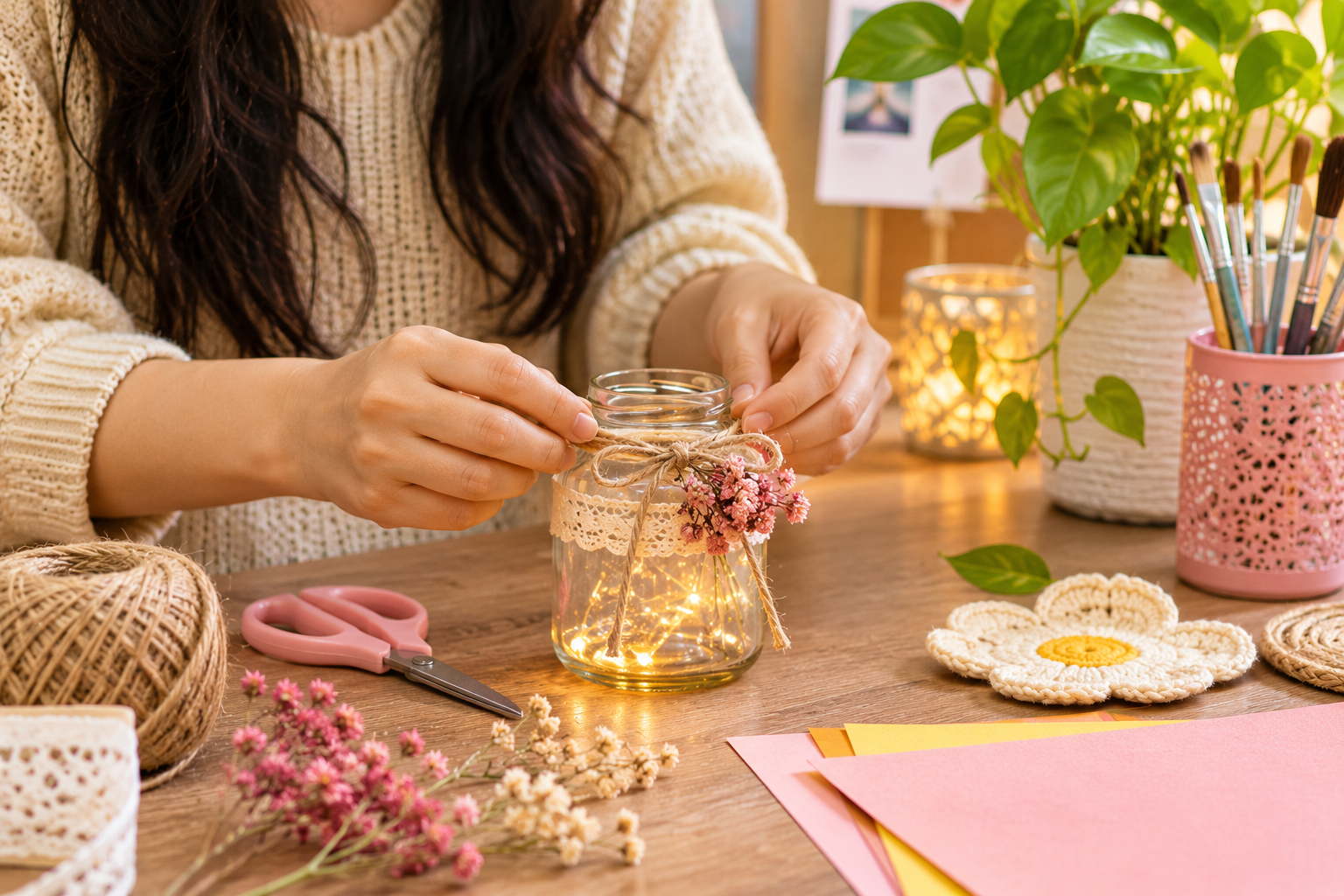
If you enjoy making things with your hands, DIY crafts can be an engaging hobby. You can explore candle-making, pottery, knitting, crochet, embroidery, handmade jewellery or home décor projects.
These activities let you experiment with materials and turn simple ideas into something tangible.
Skills you can develop:
- Fine motor skills
- Creativity and design
- Patience and attention to detail
- Planning and execution
How to get started: Pick one craft and begin with a beginner-friendly project. Use basic materials before investing in specialised tools or equipment.
12. Read Books Regularly

Reading is one of the easiest useful hobbies to incorporate into your routine. You can explore fiction, biographies, history, business, science, psychology or any subject that interests you.
Reading exposes you to new ideas, perspectives and information. It can also help you develop a stronger vocabulary and improve comprehension.
Skills you can develop:
- Knowledge and understanding
- Vocabulary
- Critical thinking
- Reading comprehension
How to get started: Choose a book based on your interests and aim to read 10–20 pages a day. If you struggle to maintain the habit, start with shorter books or essays.
13. Learn Public Speaking
Public speaking is a useful skill that can benefit you in professional, academic and social situations. You can practise speaking clearly, organising your thoughts and presenting ideas confidently.
You don't need to start by addressing a large audience. Recording yourself speaking about a topic or presenting to a small group can be a good starting point.
Skills you can develop:
- Verbal communication
- Confidence
- Presentation skills
- Clear and structured thinking
How to get started: Choose a topic you know well and speak about it for two minutes. Record yourself, review your delivery and gradually increase the length of your presentations.
14. Learn Chess
Chess is a hobby that combines strategy, planning and decision-making. It is suitable for beginners and experienced players alike, and you can practise through online platforms or in-person games.
Start by learning how each piece moves, understanding basic rules and practising simple strategies. As you improve, you can explore openings, tactics and endgames.
Skills you can develop:
- Strategic thinking
- Planning and decision-making
- Pattern recognition
- Patience
How to get started: Learn the basic rules and solve a few beginner chess puzzles each day. Playing short games can help you apply what you learn.
15. Try Volunteering
Not every productive hobby has to involve learning a technical or creative skill. Volunteering is a meaningful way to spend your free time while contributing to a cause you care about.
You could help at an animal shelter, participate in community clean-ups, support educational initiatives or contribute your skills to a non-profit organisation.
Skills you can develop:
- Teamwork and collaboration
- Communication
- Organisation
- Community awareness
How to get started: Look for local organisations or community groups that welcome volunteers. Choose a cause that genuinely interests you and begin with a manageable time commitment.
How to Choose the Right Productive Hobby for Yourself
With so many hobby ideas to explore, choosing one can feel overwhelming. Instead of selecting an activity simply because it is popular, consider what you enjoy and what you want to learn.
Here are a few things to consider:
1. Identify your interests: Do you enjoy music, movement, technology, reading or making things? Start with an activity that naturally catches your attention.
2. Consider your available time: Some hobbies require daily practice, while others can be explored once or twice a week. Choose something that fits your existing routine.
3. Decide what you want to develop: Think about whether you want to improve your creativity, communication, practical abilities or musical skills.
4. Start with beginner-friendly activities: You don't need expensive equipment or advanced training to begin most hobbies. Explore the basics before making a bigger commitment.
5. Give yourself time to improve: Learning something new takes patience. Avoid switching hobbies too quickly just because progress feels slow at the beginning.
Learn Music as a Hobby with Spardha School of Music
If music has always interested you, learning to sing or play an instrument can be a rewarding way to make your free time more meaningful. You don't have to pursue music professionally to enjoy learning it. It can simply be a skill you develop for yourself.
At Spardha School of Music, we offer live, one-on-one online music classes for children and adults, making it possible to learn from home with personalised guidance.
You can explore a range of musical courses, including:
- Instrument lessons: Piano, acoustic guitar, electric guitar, violin, electronic keyboard, ukulele, flute and tabla.
- Vocal lessons: Hindustani vocals, Western vocals, Carnatic vocals, Bollywood vocals and regional film music.
- Structured learning: Progress from foundation-level learning to beginner, intermediate and advanced stages.
- Music certifications: Depending on the course, learners can prepare for recognised examinations from Trinity, ABRSM, Rockschool and ABGMVM.
Whether you want to learn your favourite Bollywood songs, understand classical music or finally pick up that guitar you've always wanted to play, we help you build your musical skills through personalised online lessons.
Explore our online music classes at Spardha School of Music and make music a part of your everyday routine.
Conclusion
Productive hobbies give you an opportunity to explore interests beyond your daily routine. Whether you choose to learn an instrument, practise photography, start gardening, develop your writing skills or try a new language, every activity offers something different to learn.
You don't need to take up all 15 hobbies or become an expert in any of them. Start with one activity that genuinely interests you, make time for it regularly and enjoy the learning process.
Sometimes, the most rewarding use of your free time is simply discovering something new that you love doing.
Frequently Asked Questions
What are the best productive hobbies to learn in your free time?
Some of the best productive hobbies include learning a musical instrument, singing, photography, writing, dancing, cooking, painting, coding, gardening, reading and learning a new language. The right choice depends on your interests and the skills you want to develop.
What are some useful hobbies that can help develop new skills?
Useful hobbies include coding for technical skills, writing for communication, photography for visual creativity, cooking for practical abilities, and music for musical understanding and creative expression.
Which productive hobbies can I learn at home?
You can explore several hobbies from home, including singing, playing an instrument, drawing, writing, coding, reading, cooking, learning a language and practising photography.
What are the best creative hobbies for adults?
Some popular creative hobbies for adults include painting, photography, singing, dancing, playing musical instruments, writing, pottery and DIY crafts. These activities provide opportunities to experiment, learn and express yourself.
What hobbies can I learn with little or no investment?
Reading, journaling, drawing, bodyweight dance practice, language learning and basic photography using a smartphone are hobbies you can start with minimal investment. You can also explore free beginner music lessons and practice resources before investing in formal training.
Is learning music a productive hobby?
Yes. Learning music is a productive hobby because it involves practising rhythm, pitch, listening, coordination and musical expression. You can learn singing or an instrument at your own pace, whether for personal enjoyment or more structured musical development.
How much time should I spend on a productive hobby?
You can start with 15–30 minutes a day or a few sessions each week. The ideal amount of time depends on the activity and your schedule. Regular, manageable practice is often easier to maintain than long, occasional sessions.
Can adults start learning a new hobby at any age?
Absolutely. Adults can begin learning music, dance, photography, painting, languages or other hobbies at any age. You don't need previous experience or professional ambitions to enjoy developing a new skill.
How do I stay consistent with a new hobby?
Choose an activity you genuinely enjoy, set small and achievable goals, schedule regular practice and track your progress. Avoid putting pressure on yourself to master the hobby quickly. Enjoying the process makes it easier to stay consistent.
Can a hobby eventually become a career?
Yes. Some hobbies, such as photography, writing, music, cooking, coding and handmade crafts, can develop into professional opportunities. However, you don't need to monetise a hobby for it to be productive or worthwhile.