Table of Contents
Most of us reach for music when we are stressed. Something slow plays, and almost immediately the body responds, breathing steadies, thoughts quieten. That reaction is not coincidental. It is measurable.
A study by Mindlab International found that a single eight-minute instrumental track, Weightless by Marconi Union, reduced anxiety in participants by 65%. The effect was strong enough that researchers cautioned against listening to it while driving.
This was not a casual observation. It was a neuroscience lab measuring physiological responses to sound, and the findings, in the words of lead researcher Dr. David Lewis-Hodgson, reflected a greater state of relaxation than any other music tested.
The question worth asking is what made that mind relaxing songs so effective, and what it reveals about how music actually works on the brain.
How Music Physically Affects the Brain and Body
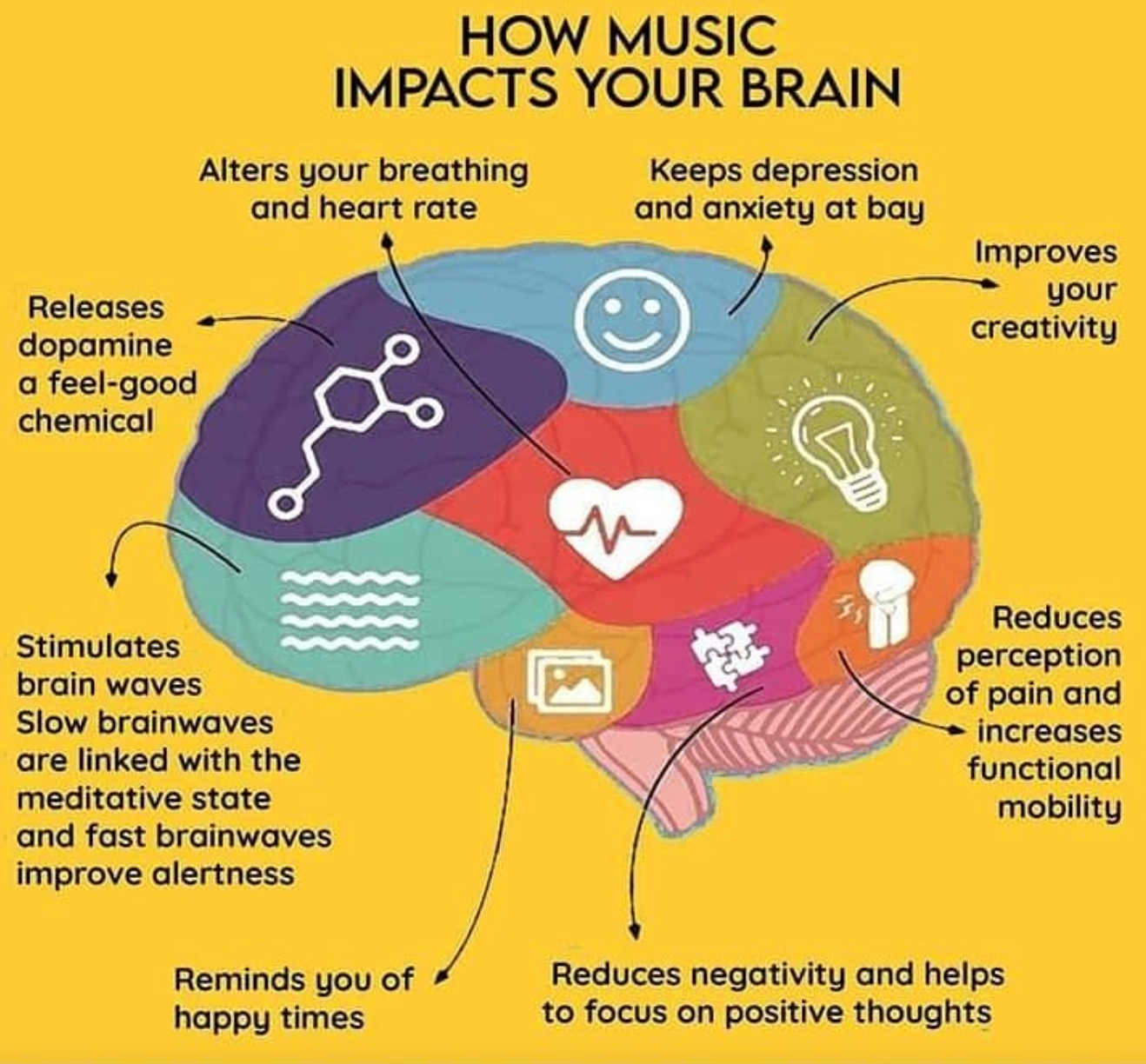
When you hear music, your brain does far more than process sound. It activates the part of the brain responsible for emotion and memory, releases dopamine, the chemical linked to pleasure and reward, and directly influences heart rate, breathing, and how the body handles stress.
This is why mind relaxing songs do not just feel relaxing. It is physically changing what your body is doing at that moment.
Slow music works through a process called entrainment, the body's natural tendency to sync with rhythmic patterns. Weightless was built around this. The track opens at 60 beats per minute and gradually drops to around 50. As the tempo slows, the listener's heart rate follows. The body shifts from its stress state into a recovery state. Cortisol levels fall. Breathing deepens.
The result is not a good mood. It is a measurable physiological shift, driven entirely by sound.
Top 20 Mind Relaxing Songs to Add to Your Playlist Right Now
A mix of global and Hindi tracks, selected for their tempo, melody, and proven effect on relaxation and sleep.
Global Relaxing Songs
1. Weightless — Marconi Union
The song that started the conversation. Eight minutes of ambient sound, specifically engineered with sound therapists to slow heart rate and reduce cortisol. Clinically proven to reduce anxiety by 65 %.
2. Watermark — Enya
One of the most consistently recommended mind relaxing songs across sleep and relaxation playlists. Enya's layered vocals and slow harmonic movement make it deeply calming without being dull.
3. Clair de Lune — Claude Debussy
A piano piece that has been used in therapeutic settings for decades. The gentle rise and fall of its phrases mirror natural breathing and make it one of the most effective instrumental pieces for mental rest.
4. Spiegel im Spiegel — Arvo Pärt
Minimal, meditative, and endlessly gentle. A piano and violin piece that moves so slowly the listener almost loses track of time, which is exactly the point.
5. Someone Like You — Adele
Slow piano intro, unhurried vocal delivery, and an emotional arc that many listeners find deeply cathartic. Catharsis is its own form of relaxation.
6. Experience — Ludovico Einaud
An Italian pianist whose compositions consistently appear on mind relaxing playlists globally. "Experience" is sparse, repetitive in the best sense, and genuinely difficult to feel stressed while listening to.
7. Gymnopédie No. 1 — Erik Satie
Written in 1888 and still one of the most recommended pieces for stress relief. The slow waltz tempo and unhurried melody have a hypnotic quality that settles the nervous system almost immediately.
8. Breathe (2 AM) — Anna Nalick
Acoustic guitar, a calm vocal register, and lyrics that specifically address the experience of an overwhelmed mind. Works particularly well for listeners who respond better to voice than pure instrumentals.
9. The Night — Ziad Rahbani
A Middle Eastern ambient piece with a slow melodic line that many listeners describe as genuinely transporting. Less well known globally but consistently recommended by those who discover it.
10. Horizon Variations — Max Richter
Part of his Sleep album, composed with neuroscientist David Eagleman specifically to accompany the transition into sleep. Every element of its composition is calibrated for rest.
Relaxing Hindi Songs
11. Iktara — Amit Trivedi ft. Kavita Seth (Wake Up Sid)
Single string, minimal arrangement, and a vocal that feels like a quiet conversation. One of the most widely recommended mind relaxing songs hindi for unwinding after a long day.
12. Tum Ho — Mohit Chauhan (Rockstar)
Builds slowly and holds a sustained quality of longing without becoming emotionally overwhelming. The tempo and melodic arc make it consistently effective for relaxation.
13. Tere Bina — A.R. Rahman (Guru)
Rahman's signature layering at its most restrained. The vocal sits over a quiet arrangement that gives the song space to breathe — and gives the listener room to do the same.
14. Lag Ja Gale — Lata Mangeshkar
A timeless piece of Hindi film music. Lata Mangeshkar's voice at this tempo and register is among the most naturally calming sounds in the Indian musical tradition.
15. Agar Tum Saath Ho — A.R. Rahman ft. Alka Yagnik & Arijit Singh (Tamasha)
Slow, emotionally layered, and melodically unhurried. A soothing song that works equally well for listeners seeking emotional release and those simply wanting quiet.
16. Tujhe Bhula Diya — Mohit Chauhan & Shilpa Rao (Anjaana Anjaani)
Gentle guitar-led arrangement, soft vocals, and a tempo that settles into the background without demanding attention. A genuinely restful track.
17. Kun Faya Kun — A.R. Rahman ft. Javed Ali (Rockstar)
Rooted in Sufi tradition, this track carries a meditative quality that goes beyond conventional relaxation music. The repetition of the phrase and slow melodic development produce a calming, almost trance-like effect.
18. Channa Mereya — Arijit Singh (Ae Dil Hai Mushkil)
Arijit Singh's vocal quality at slow tempos consistently places him in the mind relaxing songs hindi category. This track in particular has a measured pace and emotional depth that many listeners find deeply settling.
19. Ae Dil Hai Mushkil — Arijit Singh (Ae Dil Hai Mushkil)
Minimal instrumentation in the opening sections, unhurried delivery, and a lyrical theme of quiet introspection. Works well as late-night listening.
20. Phir Le Aya Dil — Arijit Singh (Barfi)
One of the gentlest tracks in contemporary Hindi film music. Acoustic guitar, a restrained vocal performance, and a tempo that sits comfortably within the calming BPM range make this a reliable addition to any relaxation playlist.
Building Your Own Relaxing Playlist
- Understanding the science makes it easier to build a playlist of soothing songs that works for you specifically, rather than picking from generic "relaxation" lists.
- Keep everything between 55 and 80 BPM. If you are not sure of a track's tempo, slow songs where a full breath fits naturally within one or two phrases are a reliable guide.
- Choose music without lyrics for deep relaxation or focus. Language activates the verbal processing centres of the brain, which adds cognitive load. Instrumental music, whether it is Pandit Hariprasad Chaurasia's bansuri recordings, ambient compositions, or piano pieces, allows the mind to settle more completely.
- Consistency matters more than perfection. Listening to relaxing music as part of a daily wind-down routine, even for 15 to 20 minutes before sleep, produces cumulative benefits over time.
- The brain begins to associate the music with the transition to rest, which makes the relaxation response faster and more reliable with each session.
Start Making Music With Spardha School of Music
Spardha School of Music offers live, one-on-one online music classes for students of all ages - from young children to adults returning to music after years away. Whether you want to learn the bansuri and explore the same raga tradition that has been used for centuries to calm the mind, take up the guitar, or develop your singing voice, every session at Spardha is built around your pace, your goals, and your musical interests.
A free trial class is available with no commitment, the most direct way to experience what learning music actually feels like before deciding anything.
Frequently Asked Questions
Which song is scientifically proven to reduce anxiety the most?
"Weightless" by Marconi Union holds this distinction based on research conducted by Mindlab International in the UK. The study found it reduced overall anxiety in participants by 65 percent — the highest reduction recorded for any music tested in that research. The song was specifically designed in collaboration with sound therapists to slow heart rate, lower blood pressure, and reduce cortisol levels.
Why do mind relaxing songs in Hindi feel more calming for Indian listeners?
Language, cultural memory, and melodic familiarity all contribute. Hindi songs connected to personal memories of comfort carry emotional associations that deepen their calming effect. Additionally, many Hindi film and classical compositions draw on raga structures that have been specifically associated with calm, devotion, and introspection across centuries of Indian musical tradition.
How long should you listen to soothing songs to feel a difference?
Research suggests that even 15 to 20 minutes of intentional listening to slow, calm music can produce measurable reductions in cortisol and heart rate. For sustained benefits — particularly for sleep quality and general stress levels — building a daily listening habit produces more reliable results than occasional sessions.
Is playing an instrument more effective for relaxation than listening to music?
Playing an instrument and listening to music both reduce stress, but through different mechanisms. Listening produces a relatively immediate physiological response. Playing an instrument adds the benefits of focused attention, breath regulation, and the gradual development of a skill — all of which contribute to longer-term improvements in mental well-being that passive listening alone cannot produce.